

Chairside 3D printing offers new possibilities for dental practices, but success depends on workflow knowledge, material handling, and proper training.
About the Guest Author
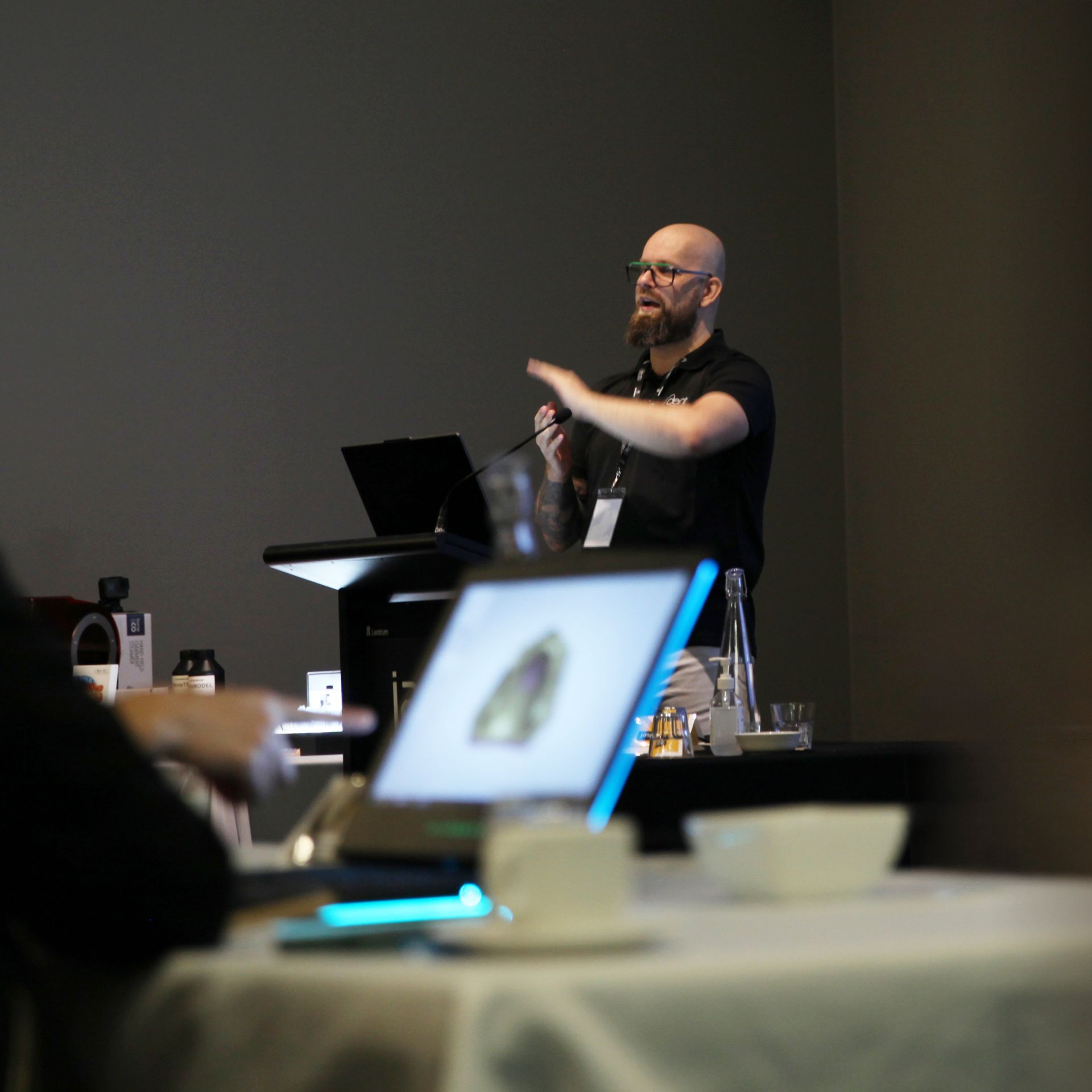
 Jeroen Klijnsma is a European-trained dental technician and digital specialist, trainer, and consultant at Dentiq in Melbourne. He works closely with leading manufacturers, serves as a certified trainer and KOL, and offers expert guidance on the latest 3D printing workflows, materials, and emerging technologies.
Dentists today are under more pressure than ever to deliver fast, efficient, and high-quality results – without compromising patient outcomes or clinical standards. For many, 3D printing is emerging as the tool that could make that possible, especially when used chairside. From urgent splints to next-day try-in dentures, the idea of handling everything in-house and on-demand, has strong appeal.
The promise is straightforward: fewer delays, lower lab bills, and more control over the workflow. But is it that simple? The answer, as many dentists and technicians are discovering, is: not quite. There’s no doubt that chairside 3D printing is gaining traction. Recent innovations in 3D printing systems and materials have made the barrier to entry lower than ever. In particular, the appeal for remote and rural practices is strong. When you’re hours away from the nearest lab, having the ability to print a splint or tray in-house can genuinely improve access to care.
Many dentists are motivated by a desire to offer faster turnaround for patients. Others are excited by the creative potential of designing and producing restorations in-house. Some see it as a cost-saving tool, while others are simply eager to stay ahead of the curve. But whatever the motivation, the reality is more complex. Faster doesn’t automatically mean better. A printed crown is only as good as the scan, the design, the print settings, and the post-processing that comes after it. And too often, that’s where the gap between expectation and reality becomes clear.
In this article – and in our upcoming webinar – we’ll explore what 3D printing can realistically offer chairside today. We’ll unpack the myths, the material improvements, the role of the lab, and what separates successful adopters from those left frustrated. We’ll also take a grounded look at where this technology is heading and whether it’s time to jump in or keep watching this space.
Common misconceptions about 3D printing
Despite growing awareness, chairside 3D printing is still surrounded by misconceptions that can lead to frustration and costly mistakes.
Is 3D printing plug-and-play?
The most persistent myth is that 3D printing is plug-and-play. While some manufacturers present their systems as turnkey solutions, the reality is that successful implementation requires a deeper understanding of multiple factors. Simply buying the most expensive printer on the market does not guarantee high-quality results. Every print relies on a coordinated workflow involving software, material compatibility, environmental control, commitment and user knowledge.
 Can 3D printers use any resin?
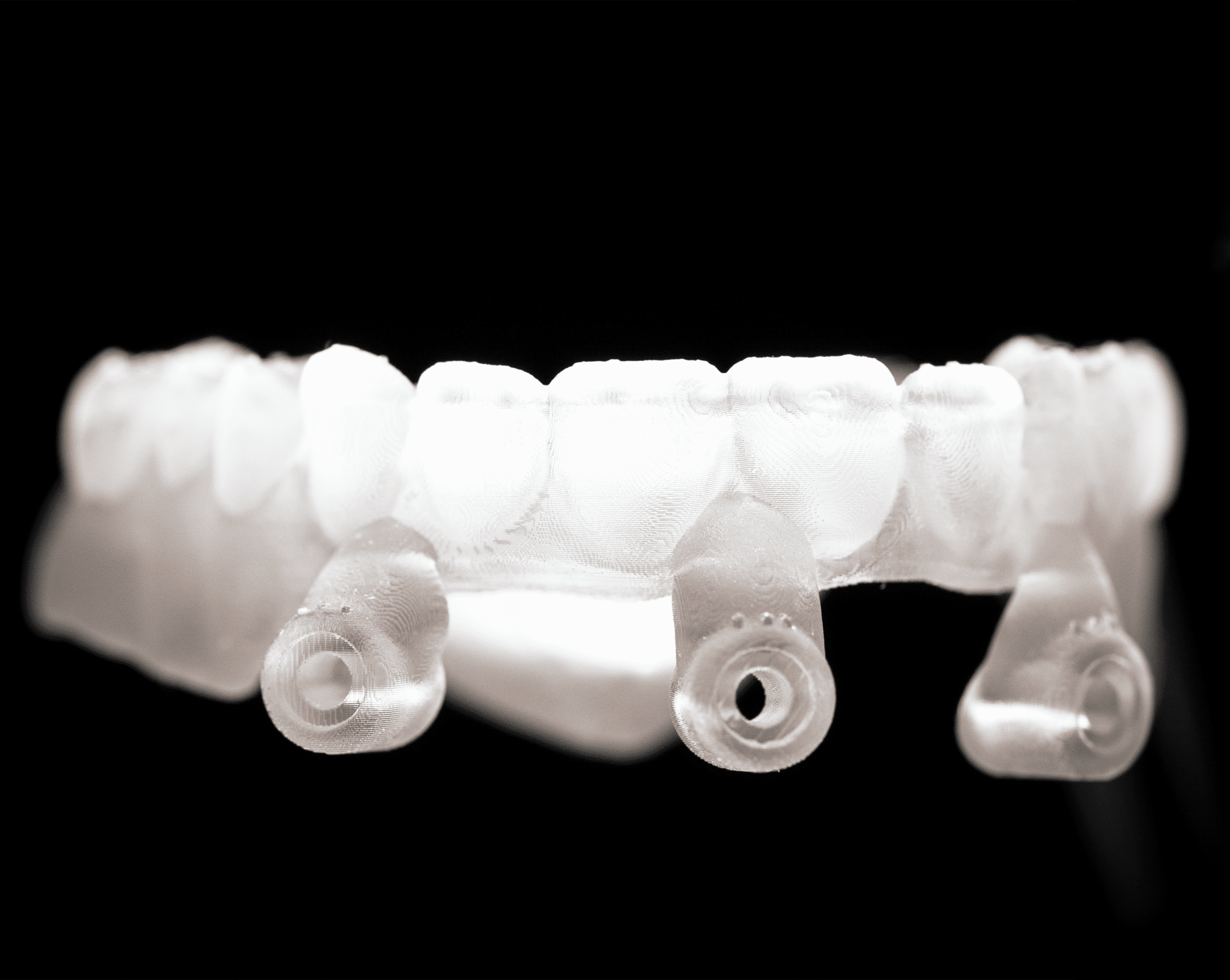
Closed 3D printing systems offer a streamlined user experience. They handle calibration, resin matching, and print settings internally, giving dentists a sense of ease. However, the trade-off is control. These systems typically only support proprietary or a limited range of external resins. So, if the manufacturer alters a formula, discontinues a product, or increases costs, users are locked in. By contrast, open 3D printing systems offer more flexibility. They allow users to leverage the company’s existing print platform with swappable materials or something like resin pods. This approach maintains open-system advantages like freedom of material choice and access to third-party innovations, without requiring a major reinvestment in new dedicated hardware. But it also demands more technical confidence from users.
Is post-processing for 3D printing easy?
Many dentists underestimate the complexity of post-processing. Washing, drying, and light-curing steps are just as critical as the print itself. In fact, around 80% of the final mechanical and biocompatible properties are established during the curing phase. Variations in time, light intensity, or oxygen exposure can result in under-cured or over-cured parts, both of which pose clinical risks. Post-processing is often treated as an afterthought, but it’s one of the most technically demanding parts of the workflow. Inconsistent washing or incomplete curing can lead to part distortion, poor fit, long-term material failure or potential exposing patients to chemicals. Many dentists don’t realise that different resins require different cure times, specific light wavelengths, or even a nitrogen atmosphere to reach full biocompatibility. Using a generic wash and cure station for multiple resin types without cleaning between sessions risks cross-contamination, which can compromise the mechanical properties of the final appliance.
Do I need to train staff on 3D printing?
Dentists frequently assign 3D printing responsibilities to under trained staff. In many practices, dental assistants or receptionists are instructed to handle printing between patient tasks. Without proper training, this can lead to a dangerous mix of trial-and-error and false confidence. A splint that looks fine to the naked eye may not hold up under occlusal pressure – or worse, may not be safe for prolonged intraoral use. It’s easy to fall into the trap of thinking that digital equals automated. But without clear protocols, detailed documentation, and a strong understanding of the variables involved, 3D printing becomes less of a solution and more of a liability.
What dentists need to know before bringing printing in house
Chairside 3D printing is not an all-or-nothing proposition. Its value depends on how and where it’s applied. The most successful dentists understand the difference between what can be safely managed in-house and what should still be done by technicians or labs.
 What applications suit chairside 3D printing?
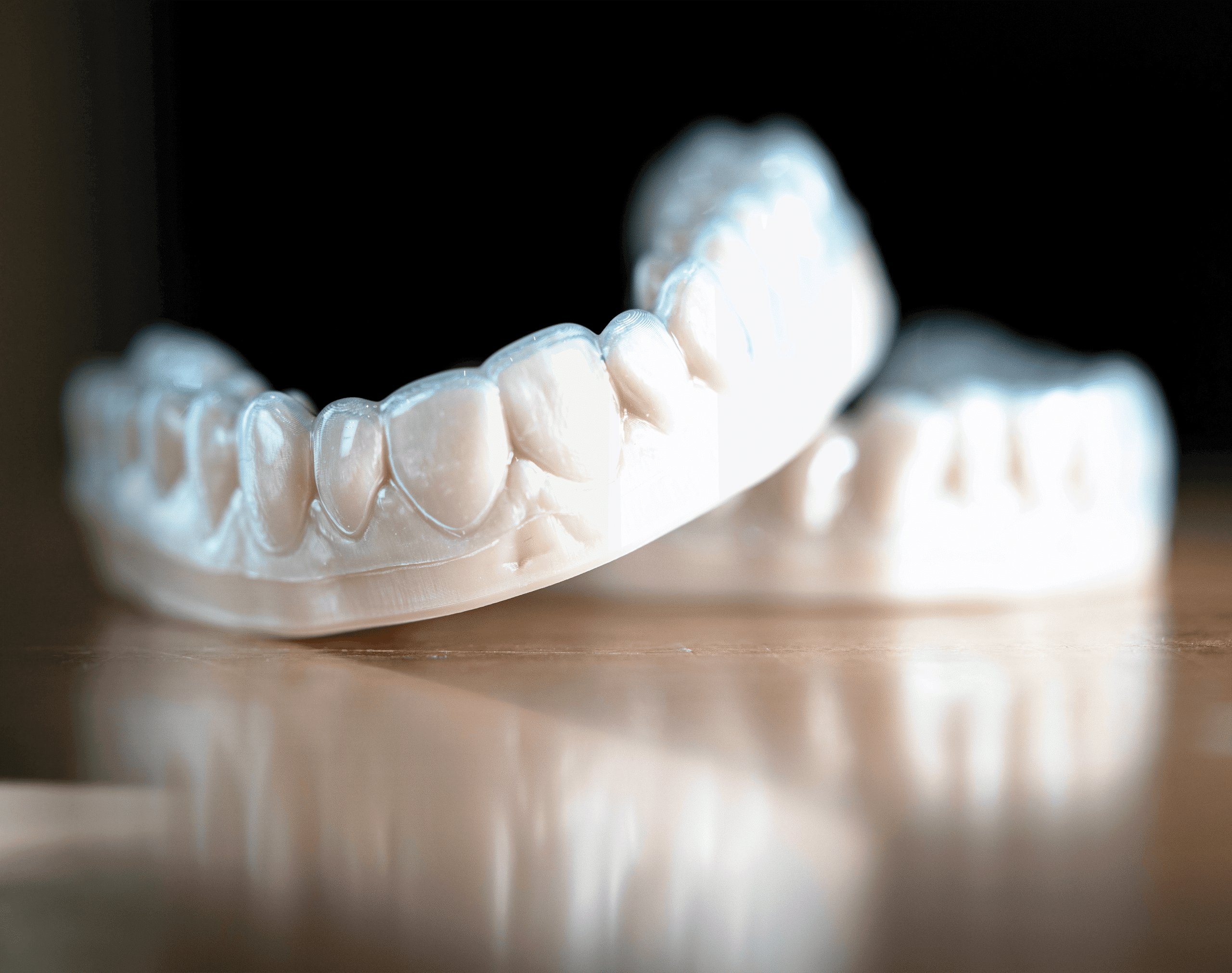
Simple applications like bleaching tray models, diagnostic models, and flat plane occlusal splints are often well suited to chairside workflows. These appliances are usually printed using durable, flexible resins that are easy to post-process and require minimal design complexity. When designed and finished properly, they offer excellent time and cost efficiencies.
What applications don’t suit chairside 3D printing?
More complex cases – such as articulated splints, full-arch prostheses, all-on-X trials, or implant surgical guides – require a higher level of expertise. Designing these restorations involves not just geometry, but also a nuanced understanding of occlusion, vertical dimension, and functional pathways. It also requires knowledge of appropriate materials and whether the chosen resin is validated for long-term use under specific conditions.
How can dental labs assist with 3D printing?
Technician involvement becomes especially important in cases requiring aesthetic precision. A lab can fine-tune layering, characterisation, and surface finishing in ways that a busy clinic simply cannot replicate on demand. Even with AI-assisted design software, these fine adjustments still benefit from expert oversight.
Some dentists use remote design services, where labs prepare STL files based on scans and clinical instructions. This hybrid model offers a good compromise: dentists retain control over timing and production, but still benefit from experienced input during the design phase.
How does finishing work for chairside 3D printing?
Another critical consideration is finishing. Even when the print is accurate, the appliance must be properly polished and trimmed to ensure patient comfort and long-term durability. Edge quality, thickness uniformity, and material smoothness all affect performance. Inconsistent or rushed finishing can lead to premature wear, tissue irritation, or appliance rejection by the patient.
How do I determine resin compatibility?
Understanding materials is equally important. Not all biocompatible resins are suitable for every indication. Some splint materials are too brittle for certain occlusal schemes. Others may yellow over time or become less flexible. And while newer Class IIA resins offer long-term intraoral durability, they often require more precise curing and handling procedures to meet regulatory standards.
For 3D printing to work in a clinical environment, dentists must be ready to wear multiple hats: dentist, manager, technician, and quality controller. Skipping steps or overestimating ease-of-use leads to avoidable mistakes. The goal is not just to print faster, but to do it safely, consistently, and with a clear understanding of what’s truly in the patient’s best interest.
The real cost of getting it wrong
Despite growing awareness, chairside 3D printing is still surrounded by misconceptions that can lead to frustration and costly mistakes.
While the cost of entry for 3D printing has dropped, the cost of getting it wrong remains high. Failed prints are the most obvious issue – wasted resin, lost time, and a delayed case. But those are just the visible costs.
Consider the patient experience. A poorly finished splint or a misaligned model doesn’t just lead to a remake, it undermines trust. If the patient notices hesitation during placement, or if an appliance needs repeated adjustments, their confidence in your work drops. They may not complain, but they may never return – or worse, they may tell others. There’s also the risk of harm. An under-cured resin can leach chemicals into the oral cavity. A rough or sharp margin can damage soft tissue. Inaccurate occlusion can lead to discomfort, tension headaches, or TMJ issues. All of these can be traced back to workflow errors, whether from poor design, incorrect orientation, or inconsistent curing.
Financially, the remakes and repairs add up. Time lost to troubleshooting means fewer billable procedures. And in practices trying to scale up, every delay affects scheduling, staff stress, and patient satisfaction. Worse still is the false economy. Many dentists invest in 3D printing assuming it will pay for itself in saved lab fees. But if the process isn’t implemented correctly, or if case selection is poor, those savings never materialise. The printer sits idle, the materials expire, and the workflow is quietly abandoned.
Ultimately, the value of 3D printing doesn’t come from avoiding the lab. It comes from knowing when to use it, and how to use it well.
What kind of practice is ready for 3D printing?
3D printing is not a silver bullet, it’s a system. And it only works when the right infrastructure, training, and mindset are in place.
The most successful adopters are practices that approach 3D printing as a clinical and business investment, not a shortcut. They understand that onboarding a new workflow takes time. Staff need to be trained, systems need to be documented, and physical space must be allocated. For example, you can’t store a printer next to the steriliser or a chairside mill and hope for the best.
Clinics that succeed with 3D printing typically have:
- A dedicated team member responsible for managing the process
- Clear SOPs for scanning, file prep, print setup, curing, and finishing
- Regular quality control checks and documented print outcomes
- A working relationship with a lab for support and consultation
- A growth mindset that values learning from mistakes
Motivation also matters. Dentists who get into 3D printing purely to cut costs often end up disappointed. The ones who thrive are those genuinely interested in technology, clinical innovation, and workflow control.
Remote practices have a clear incentive. When logistics make shipping impractical, 3D printing can dramatically improve patient experiences and outcomes. Being able to deliver a splint or temporary on the same day builds trust and sets the practice apart. But those gains only come when the workflow is reliable.
But education is critical. Without proper onboarding, dentists can end up using the wrong material for the wrong case, rushing curing steps, or misunderstanding resin classifications. In Australia, TGA regulations around Class IIA and Class I materials also demand correct documentation and compliance. A dentist who doesn’t understand the difference may unknowingly put patients, and their own registration, at risk.
Beyond infrastructure and training, leadership plays a key role. A dentist who actively champions digital workflows, and encourages their team to upskill and problem-solve, is more likely to succeed. For example, a practice might assign one assistant to manage bleaching tray production, another to handle splints, and a third to coordinate scanning and STL file prep. This kind of role-based delegation helps maintain consistency and prevents burnout.
Some practices also benefit from setting up a dedicated “print zone” – a clean, ventilated area with proper lighting and flat surfaces. Keeping the printer, resin, and curing units separate from high-traffic clinical spaces helps ensure sterility and reduces the chance of workflow errors. These small environmental controls add up to greater consistency, better results, and more sustainable in-house production.
The bottom line? If you’re not willing to learn, test, track, and refine, 3D printing probably isn’t for you.
Final thoughts: Are we there yet?
The short answer: we’re getting there. The long answer: not quite.
The technology is improving. Materials are more robust and aesthetic. Automation tools are helping reduce manual steps. New systems are expanding what’s possible at the chair without sacrificing quality.
But the real tipping point isn’t speed or convenience, it’s reliability. When a dentist can confidently press ‘print’ and know the appliance will fit, function, and meet compliance requirements without extra adjustments or guesswork, that’s when 3D printing will become truly mainstream. Until then, we’re in a hybrid phase. Labs are still essential. Technicians remain crucial. AI is not yet a replacement for human judgment. But smart clinics are learning how to blend in-house production with lab partnerships in a way that improves care, efficiency, and satisfaction. And that’s where the real opportunity lies – not in cutting corners or bypassing technicians, but in creating a better-connected, more flexible ecosystem. One where chairside 3D printing is used not because it’s trendy, but because it makes clinical and business sense.
Looking ahead, the most promising developments lie in smarter software and closed-loop feedback systems. Printers that can self-calibrate, validate each layer’s accuracy in real time, and integrate directly with scanning software will reduce user error and simplify workflows. We’re also seeing more interest in modular platforms that allow dentists to scale their printing capabilities gradually, which add automation or multi-resin support only when ready.
These trends suggest that 3D printing is evolving not just in speed or resolution, but in usability. The future isn’t just faster – it’s smarter, safer, and more adaptable to the way dentistry is actually practiced.
So 3D printing doesn’t replace clinical expertise, it enhances it. When used with care, training, and purpose, it offers speed, control, and flexibility. But like any tool, it’s only as effective as the hand guiding it. If you’re ready to commit, the rewards are real. If not, it’s worth waiting a little longer.
Want to learn more about Chairside 3D Printing and find out if it’s really ready for the clinic?
Register here to earn 1 CPD point and watch on-demand at a time that suits you.
Avant Dental is a full-service dental laboratory. To find out more about working with us, please email [email protected] or phone 1800 287 336.