Sleep Apnoea
Sleep apnoea is a serious condition that affects millions of people worldwide. It occurs when the airway becomes blocked during sleep, leading to disrupted breathing, poor sleep quality, and a range of associated health risks, including heart disease and high blood pressure. Obstructive sleep apnoea (OSA) is the most common form, and it often goes undiagnosed.
Dentists play a crucial role in identifying and treating sleep apnoea. Signs like teeth grinding (bruxism), a dry mouth, and a scalloped tongue may indicate disrupted breathing during sleep. By asking about sleep patterns, daytime fatigue, or snoring, dentists can help identify potential cases of OSA.
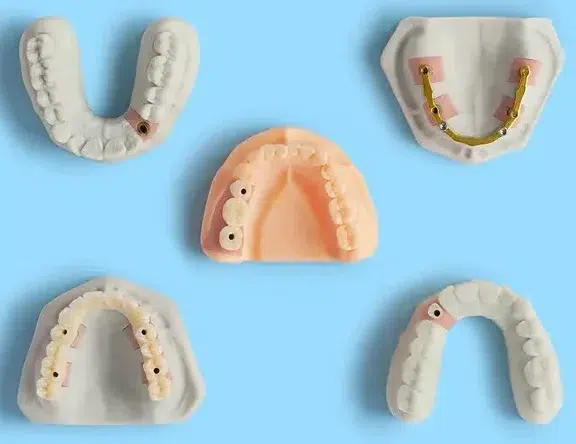
If sleep apnoea is suspected, dentists collaborate with sleep specialists to confirm the diagnosis. Once confirmed, custom oral appliances, like a dorsal appliance (commonly known as a mandibular advancement splint), can be prescribed.
Dorsal appliances provide an effective, non-invasive solution to manage OSA. These custom dental devices work by gently repositioning the lower jaw to maintain an open airway, preventing obstructions and reducing snoring. Patients benefit from improved airflow, deeper sleep, and a lower risk of related complications.